If you run a food service spot, you already know how fast one pest sighting can spiral into a serious problem. DIY pest control for restaurants is something many owners try first, and honestly, there are smart ways to do it. But some big mistakes can put your inspection score at risk.
Pests don’t just gross out your guests. They spread bacteria, contaminate food, and can get your establishment shut down fast. I’ve seen it happen. This guide walks you through what actually works, what the law expects from you, and exactly when DIY stops being enough.
- Common Pests That Threaten Restaurant Kitchens
- Is DIY Pest Control Allowed in Food Service Establishments?
- Most Effective DIY Pest Prevention Methods for Restaurants
- Best DIY Traps and Monitoring Tools for Restaurant Pest Control
- Essential Supplies for DIY Restaurant Pest Control
- Recommended Tools for Pest Control in Restaurants
- How to Set Up DIY Pest Control in Your Restaurant
- What Actually Works to Eliminate Restaurant Pests
- Frequently Asked Questions About Restaurant Pest Control
- 1. Can I legally handle pest control in a restaurant?
- 2. Do I need to keep pest control records for a health inspection?
- 3. What is the most common pest in restaurant kitchens?
- 4. How do I know if my restaurant has a pest problem before an inspection?
- 5. How often should a restaurant be treated for pests?
- 6. What kills cockroach eggs in a restaurant kitchen?
- 7. When should a restaurant stop doing it themselves and call a professional?
Common Pests That Threaten Restaurant Kitchens
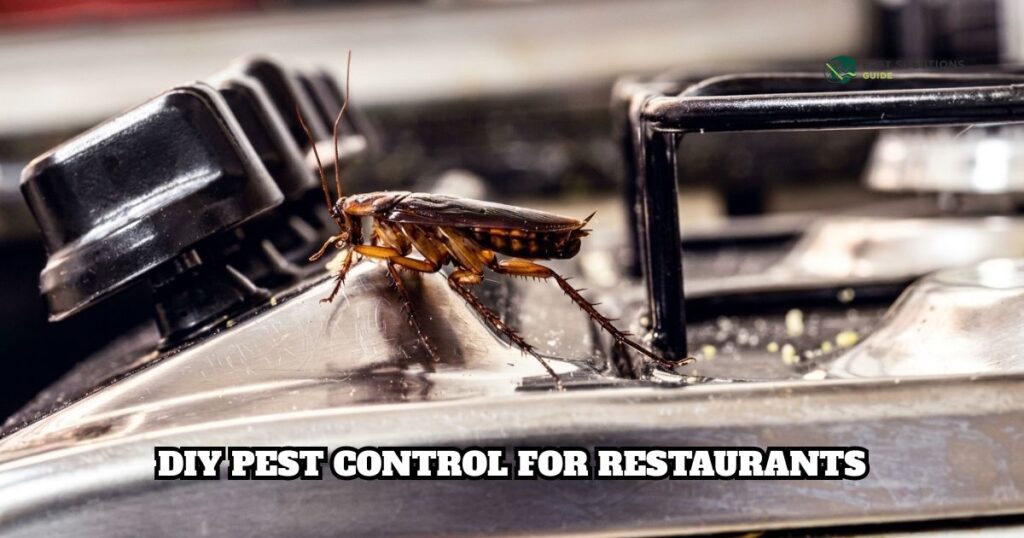
Nobody wants to find a cockroach in their kitchen, but the pest lineup in a restaurant is usually pretty predictable once you know what to look for. German cockroaches are by far the most common restaurant pest in the United States.
They squeeze into tight, warm spaces behind your dishwasher, inside motor housings, underneath the cooking line. They breed incredibly fast, which means a small problem turns into a big one before you even realize it.
Mice are another constant threat, especially in colder months, when they come indoors in search of warmth. Rodents can chew through packaging, contaminate surfaces, and leave droppings everywhere.
Flies are the third major player. Fruit flies breed in floor drains and under equipment, while house flies get in through open doors and hover near food prep areas. Stored-product pests like grain beetles and pantry moths infest dry storage. Knowing your enemy is the first step to beating it without spending a fortune.
Is DIY Pest Control Allowed in Food Service Establishments?
This is a question I get a lot, and the answer depends on where you are, but there are some universal rules worth knowing. In most U.S. states, food service operators are not licensed pesticide applicators.
That means you can handle basic sanitation, exclusion, and non-chemical traps yourself, but applying pesticides in a food prep environment is a job for a licensed professional. Applying pesticides incorrectly in a restaurant is not just ineffective; it can get you cited by a health inspector or even shut down the restaurant.
Most local health codes require food establishments to keep written records of all pest control measures taken on the property. That means documenting the traps used, the treatment dates, what was found, and any follow-up actions.
Even if your DIY efforts are the only thing you’re doing, keeping a log protects you during inspections. I always tell people to keep a simple notebook or digital log. It takes five minutes, and it can save you a serious headache.
Most Effective DIY Pest Prevention Methods for Restaurants
The best DIY pest control for restaurants isn’t spraying chemicals; it’s making your place unattractive to pests in the first place. Here’s what I’ve found that actually works. Seal every gap you can find.
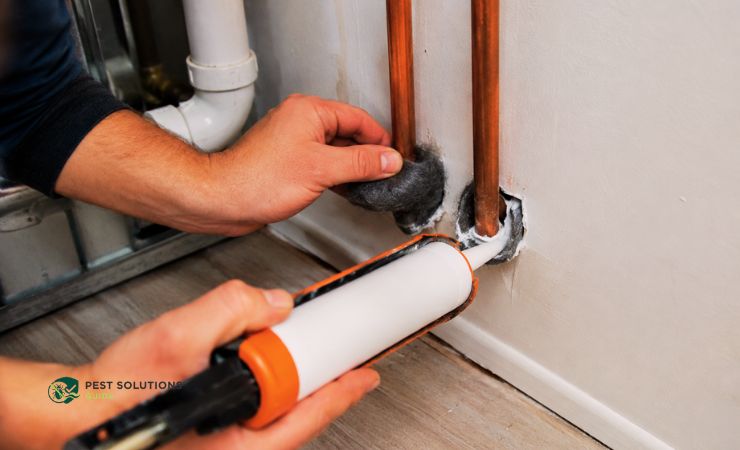
Cockroaches and mice can squeeze through openings as small as a dime. Use steel wool, caulk, or door sweeps to close off entry points around pipes, drains, and door frames. Pay extra attention to where plumbing enters the wall, which is a favorite entry point.
Deep clean under and behind equipment regularly. Grease buildup, food debris, and standing moisture are basically a buffet invitation for pests. Pull out your equipment on a set schedule, weekly if possible, and clean underneath it. Floor drains should be cleaned and inspected frequently, as drain flies breed in the organic buildup inside them.
Store food in airtight containers and off the floor. Cardboard boxes are not pest-proof. Move dry goods into hard-sided, sealed containers and keep everything at least six inches off the floor. Check incoming deliveries for signs of infestation before they go into your storage area.
Best DIY Traps and Monitoring Tools for Restaurant Pest Control
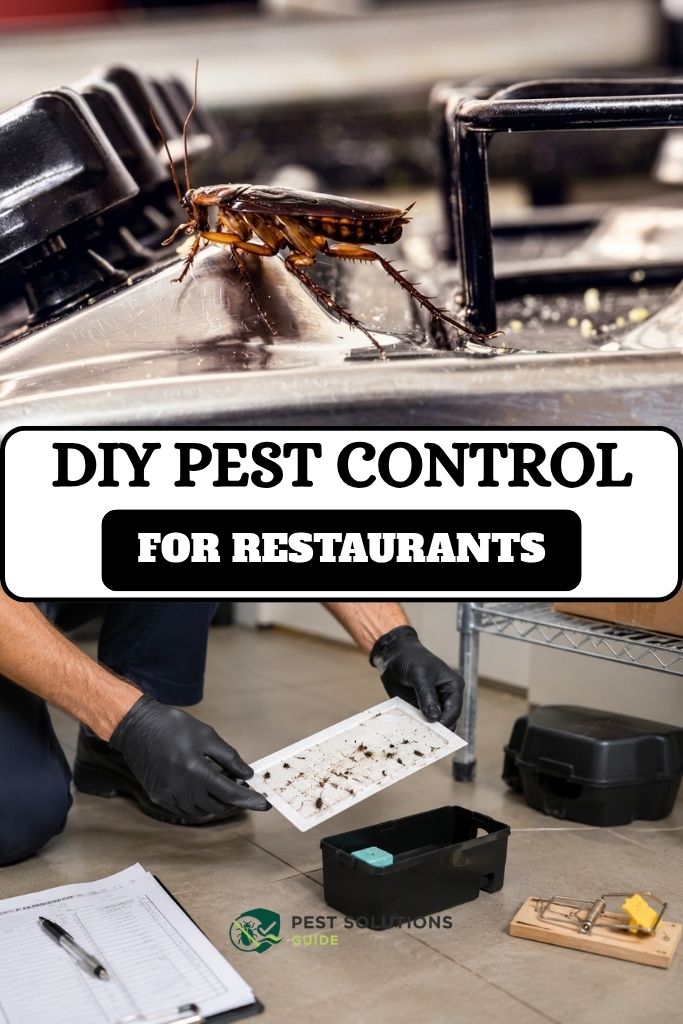
Monitoring is one of the most underrated parts of restaurant pest control. Glue boards placed in corners, along walls, and near equipment give you a real picture of what’s happening in your space. I check them weekly. They tell you not only what pests are present but where activity is concentrated, so you know exactly where to focus your efforts.
For rodents, snap traps are more effective than glue traps and more appropriate in a food service setting. Place them along walls where mice travel along edges, not through open spaces and check them daily. Flies can be managed with UV light traps mounted away from food prep surfaces. These work best when placed in back-of-house areas where flies enter.
Pheromone traps work well for stored-product pests such as grain moths. Put one in your dry storage area and check it every week. If you start catching moths consistently, that tells you something in your dry storage is already infested and needs to be pulled and inspected immediately.
Essential Supplies for DIY Restaurant Pest Control
Enough steel wool to fill any gaps around pipes and wall penetrations. Steel wool is physically impossible for rodents to chew through, making it one of the best mechanical barriers you can use.
Door sweeps, one per exterior door. These close the gap at the base of doors that mice and cockroaches use to slip inside, especially in cooler weather.
Airtight food storage containers are enough to hold your full dry storage inventory. Hard plastic or metal containers prevent pests from reaching food sources that attract and sustain infestations.
Glue boards with a case of 24 is a good starting point. Place them flat along walls, in corners, and near equipment to monitor pest activity. You can also use sticky dome traps; they work just as well for catching and identifying pests.
Snap traps a dozen for a mid-size kitchen. These are the most reliable rodent control tools available without a pesticide license.
UV fly light traps: 2 to 3 for a standard back-of-house area. Mount them away from food zones, at least five feet off the ground.
Recommended Tools for Pest Control in Restaurants
- Caulk gun for sealing cracks and gaps
- Flashlight or headlamp for inspecting behind equipment
- Notepad or clipboard for logging pest activity and trap checks
- Latex gloves for handling traps safely
- Utility knife for cutting door sweep material to fit
How to Set Up DIY Pest Control in Your Restaurant
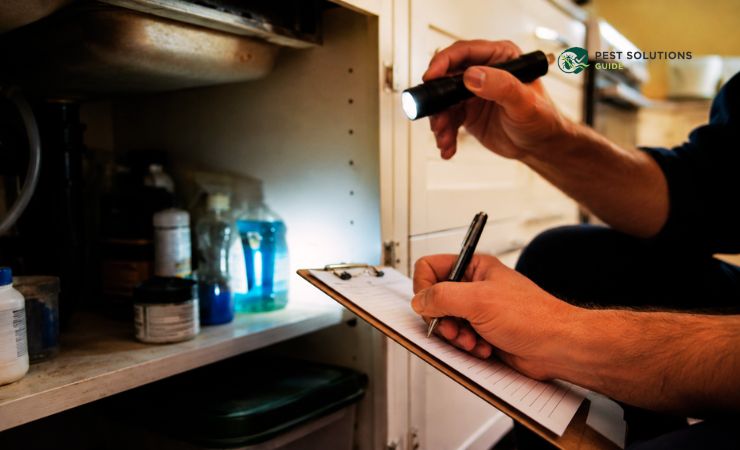
1. Do a Full Pest Audit of Your Space: Check every part of your kitchen, storage areas, and utility rooms using a flashlight. Look for droppings, grease marks on walls, damaged packaging, dead insects, and moisture near drains. Write down everything you find.
This will help you identify problems before you set any traps, allowing you to focus your time and money on the right areas.
2. Seal All Entry Points: Use steel wool to fill gaps around pipes and openings in the walls, then caulk them for a secure seal. Put door sweeps on all outside doors and check window screens for tears. It’s a good idea to do this before pest season peaks in most of the U.S., which is before fall, when mice tend to come indoors.
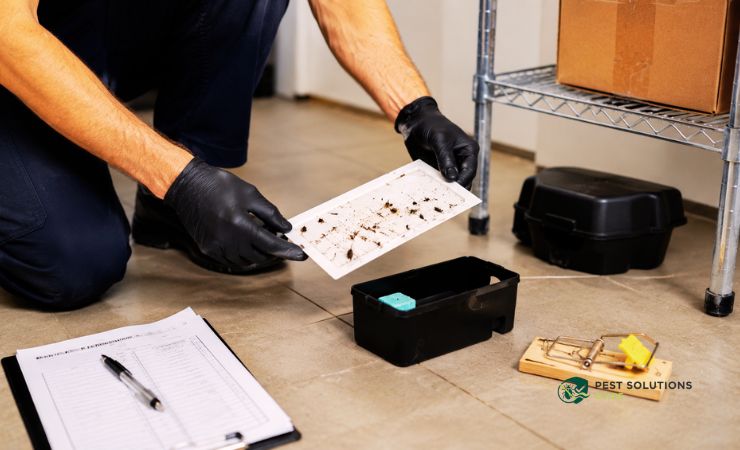
3. Set Up Your Monitoring Stations: Place glue boards along walls in every room, especially near the dishwasher, cooking line, and dry storage. Set snap traps for rodents along walls where you noticed activity during your audit. Install UV fly traps in back areas. Label each trap with a number and mark its location on a simple map to track activity.
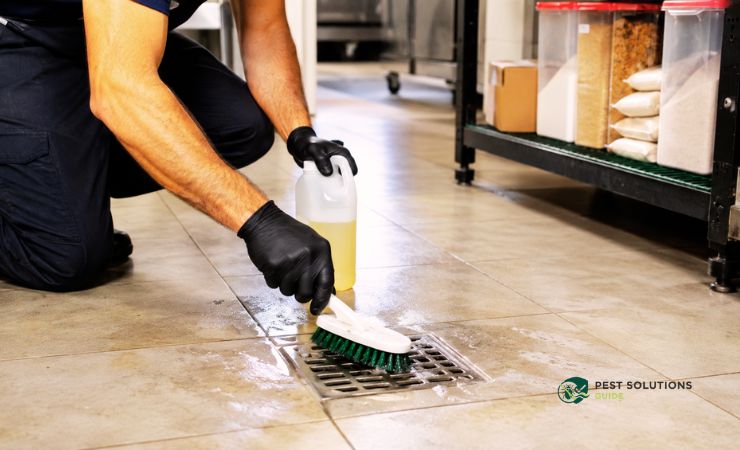
4. Deep Clean Problem Zones: Move equipment away from the wall and clean underneath it. Scrub floor drains with a stiff brush and a drain cleaner safe for food areas. Wipe down shelves in dry storage and check every container and bag for signs of pest damage. Throw away anything that looks chewed, contaminated, or expired.
5. Check and Log Everything Weekly: Inspect all traps and glue boards each week. Replace full boards or those with catches. Record what you find, where, and when. This log shows you are actively managing pests, which a health inspector is likely to ask about. Reset snap traps and refill any monitoring stations that have been triggered.
6. Know When to Call a Licensed Pro: If you keep finding German cockroaches, see rodent droppings in multiple areas, or notice flies despite clean drains, call a licensed pest control operator. Some pest problems are too severe for DIY solutions.
A professional can legally apply chemical treatments, access areas you can’t reach, and provide documentation for local health codes. Calling a pro early can save you money compared to waiting for an inspection failure.
What Actually Works to Eliminate Restaurant Pests
Heat: Cockroach eggs and adult insects die at sustained temperatures above 120°F. This is why commercial steam cleaning of equipment and surfaces is so effective. For stored-product pests, place infested dry goods in a 120°F+ oven for 30 minutes, or in a sealed bag in a freezer for 4 days, to kill both eggs and adults.
Freezing: Temperatures below 0°F for at least 4 days kill most stored-product pests, including their eggs. This works well for small quantities of potentially infested dry goods.
Snap traps: The single most effective mechanical kill tool for mice in a food service setting. Bait with a small amount of peanut butter placed at the back of the trigger.
Glue boards: Effective for monitoring and catching cockroaches and small rodents, but not a standalone control measure for heavy infestations.
UV light traps: Kill flies that are already inside. Pair with sanitation to address the source, or you’re just managing symptoms.
Drain cleaning: Biological drain cleaners break down the organic film that drain flies and fruit flies breed in. Consistent drain maintenance removes the breeding site entirely rather than just trapping adults.
Boric acid (applied by a licensed pro): Highly effective against German cockroaches when applied in thin layers in voids and behind equipment. Not a DIY chemical, it requires precise application in a food service environment to be safe and effective.
Note: Eggs are harder to kill than adult insects because egg cases physically shield developing pests from many surface treatments. Heat and freezing penetrate the casing; most sprays do not.
Frequently Asked Questions About Restaurant Pest Control
1. Can I legally handle pest control in a restaurant?
You can manage non-chemical pest control yourself. This includes sealing entry points, setting mechanical traps, cleaning drains, and using glue boards. However, applying pesticides in a restaurant is different.
Most states require a licensed pest control operator to apply pesticides in food service settings. Check your local health code to understand the rules in your area, and always keep records of any pest control actions you take.
2. Do I need to keep pest control records for a health inspection?
Yes, keeping records is often overlooked. Most local and state health codes require food establishments to document pest control activities. You should note what was done, when it happened, what was found, and any follow-up actions.
A licensed pest control provider typically provides service reports after each visit. If you do any pest control yourself, keep a written log. Inspectors will ask to see it.
3. What is the most common pest in restaurant kitchens?
German cockroaches are the most common pests in restaurant kitchens in the United States. They thrive in warm, humid environments with food and water, which is typical of a commercial kitchen.
They hide in places like motor housings, behind dishwashers, inside wall voids, and anywhere that’s tight, warm, and hard to clean. Because they reproduce quickly, even a small number can lead to a major infestation within weeks if not addressed.
4. How do I know if my restaurant has a pest problem before an inspection?
Set up glue board monitoring stations in your kitchen, storage areas, and utility rooms, and check them weekly. Cockroach droppings look like small black specks or coffee grounds and are found near their hiding spots.
Rodent activity can be seen through droppings, gnaw marks, grease smears on walls, and shredded nesting material. Large numbers of flies, especially near drains, indicate a nearby breeding source. Catching problems early through regular monitoring is your best defense.
5. How often should a restaurant be treated for pests?
Most licensed pest control providers suggest monthly service for food establishments, with more frequent visits during busy pest seasons. However, a well-maintained restaurant with good sanitation and strong exclusion measures may need less frequent chemical treatments.
Monitoring should still happen every week. The goal is to catch any pest activity early to prevent small issues from becoming big ones.
6. What kills cockroach eggs in a restaurant kitchen?
Cockroach eggs are hard to kill with surface sprays because their protective casings protect them. Sustained heat above 120°F is very effective. Commercial steam cleaning can reach this temperature and is safe for use around equipment.
Freezing infested items at or below 0°F for at least four days is also effective. Boric acid, applied in thin layers in cracks and voids by a licensed professional, can effectively kill adults and disrupt breeding over time.
7. When should a restaurant stop doing it themselves and call a professional?
Call a licensed pest control operator if you consistently catch cockroaches on glue boards, find rodent droppings in multiple areas, have ongoing fly problems despite clean drains and good sanitation, or when an infestation has clearly moved into wall voids or equipment that you cannot access.
DIY methods work well for prevention and early monitoring, but severe infestations usually require professional chemical treatment. Waiting too long can cost more and may harm your inspection score.
DIY pest control for restaurants works best through prevention: sealing gaps, monitoring weekly, and keeping your space spotless. For anything beyond that, a licensed pro is the smarter call. The good news? If you stay consistent, you can keep pests out and stay inspection-ready without much stress.