
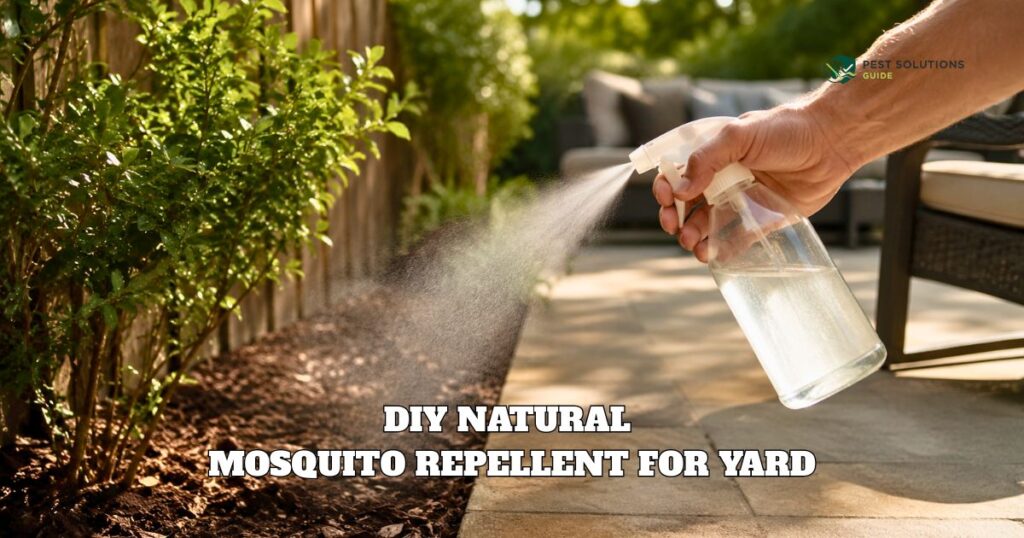
If you’ve ever stepped outside on a summer evening and been bitten by mosquitoes before you even sat down, you understand how annoying they can be. Many homeowners are turning to DIY Natural Mosquito Repellent for Yard, and I can’t blame them.
Chemical sprays can be harsh, especially with kids and pets playing on the grass. Mosquitoes are more than just a nuisance; they can spread diseases like West Nile virus and Eastern equine encephalitis. If you ignore your yard, it can quickly become a mosquito haven by midsummer.
The good news is that you don’t need to hire a professional or drench your lawn in chemical pesticides to fight back.
- Why Mosquitoes Keep Coming Back to Your Yard
- What Is a DIY Natural Mosquito Repellent for Yard Use?
- Best Natural Ingredients That Actually Work Against Mosquitoes
- What You Need for This Homemade Yard Repellent
- Tools That Make Application Easier
- How to Make and Apply Your DIY Yard Mosquito Repellent
- What Actually Kills Mosquitoes in Your Yard
- Frequently Asked Questions About Natural Mosquito Repellents
- 1. Can I spray a natural mosquito repellent directly on my lawn?
- 2. How long does a homemade yard mosquito repellent last?
- 3. Are natural mosquito repellents safe for dogs and cats?
- 4. What plants naturally repel mosquitoes in the yard?
- 5. Does vinegar kill mosquitoes or just repel them?
- 6. When should I call a professional instead of using DIY repellents?
- 7. Can I use the same repellent spray on myself and my yard?
Why Mosquitoes Keep Coming Back to Your Yard
Feeling overwhelmed by mosquitoes is common, but they usually have a reason for being in your yard. Mosquitoes breed in standing water, which can be as small as a puddle.
For example, a bottle cap left outside after rain can hold enough water for many larvae. Bird baths, clogged gutters, old tyres, and low spots in the lawn can all become breeding sites soon after it rains.
Mosquitoes also like shaded, humid areas with dense plants. If you have thick bushes, tall grass, or piles of leaves, mosquitoes will rest there during the hottest part of the day. Yards that have both shade and standing water often have the worst mosquito problems. Fixing these two issues first will make any repellent strategy more effective.
Understanding why mosquitoes are in your yard helps you focus on solving the problem instead of just reacting to bites. This knowledge is key to keeping your yard mostly mosquito-free in the summer, unlike yards that don’t improve no matter how much you spray.
What Is a DIY Natural Mosquito Repellent for Yard Use?
A DIY natural mosquito repellent for your yard is a mixture you create yourself using plant-based oils, natural acids, or other safe ingredients. These repellents work by covering up the scents that attract mosquitoes, such as carbon dioxide, body heat, and certain chemicals from your skin. They can also create an environment that mosquitoes avoid.
The most effective natural options I’ve tested include essential oils like citronella, eucalyptus, peppermint, and lemongrass. These oils have compounds that confuse mosquito sensors, making it harder for them to find you or settle nearby. When you dilute these oils properly and apply them to plants, fences, patio furniture, or your lawn, they can create a noticeable barrier.
Keep in mind that natural repellents are not a quick fix. They usually need to be reapplied more often than synthetic sprays, especially after it rains. However, for many homeowners who want a safer choice for kids, pets, and pollinators, using them is worthwhile as part of a broader strategy.
Combined with removing standing water and trimming bushes, natural repellents can really help.
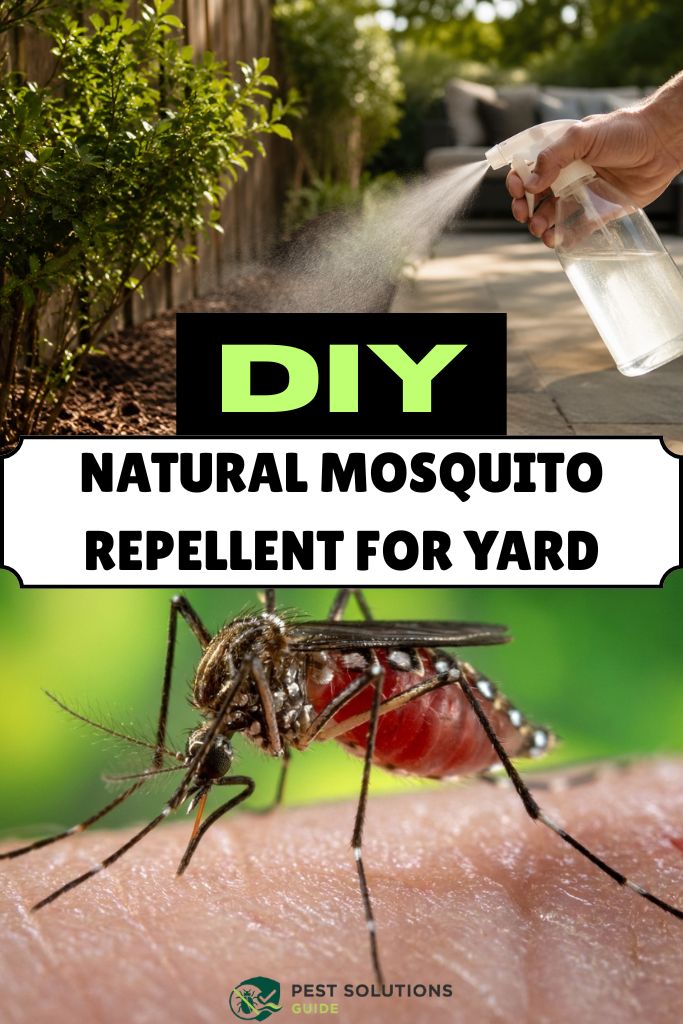
Best Natural Ingredients That Actually Work Against Mosquitoes
The ingredients you choose will determine how well your repellent works. I have tested many combinations, and the ones below have given me the best results in my yard.
Citronella essential oil is one of the most well-known natural mosquito repellents, and for good reason. It hides the scents that attract mosquitoes, and studies show it is effective when used in the right amounts. Make sure to use high-quality, pure citronella oil, not a fragrance oil or candle scent, as these are weaker.
Lemon eucalyptus oil, also known as OLE or PMD, is one of the few plant-based repellents recognised by the CDC for mosquito protection. It is stronger than citronella and lasts longer. Peppermint oil also helps since mosquitoes dislike the menthol it contains.
Witch hazel or white vinegar works well as a base because they help the oils spread evenly and stick to surfaces without leaving a greasy feeling. A small amount of dish soap helps mix everything and makes the solution stick to plant leaves and furniture.
What You Need for This Homemade Yard Repellent
30 drops of citronella essential oil: This is the main ingredient that helps block mosquitoes from finding you.
20 drops of lemon eucalyptus essential oil: The CDC recommends this oil for its strong mosquito-repelling effect.
15 drops of peppermint essential oil: The menthol in this oil naturally repels mosquitoes. You can also use spearmint oil, which works just as well.
1 cup of white vinegar: This serves as the base for evenly mixing the essential oils. You can also use witch hazel for a gentler smell.
1 cup of water: This dilutes the mixture to a safe strength for spraying.
1 teaspoon of dish soap: This helps blend the oils so they don’t separate.
Tools That Make Application Easier
- 32-oz spray bottle with adjustable nozzle
- Measuring spoons
- Small funnel for pouring
- Labels and a marker for the bottle
How to Make and Apply Your DIY Yard Mosquito Repellent
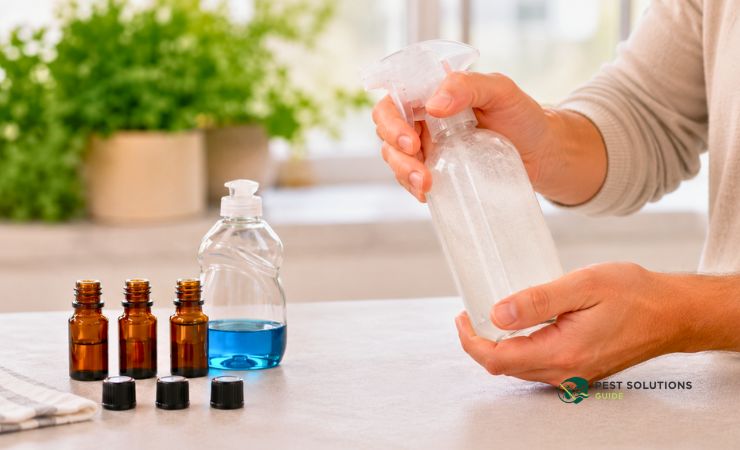
1. Gather Your Ingredients: Before you start, lay out your ingredients on a flat surface. Measure the vinegar and water first, then pour both into your spray bottle. This makes it easier to add the oils without spilling.

2. Add Essential Oils: Carefully add drops of citronella, lemon eucalyptus, and peppermint oils to the bottle. Count each drop. If you add too few, the spray won’t work well; if you add too many, it can harm plants and pets. Remember to use true essential oils, not fragrance oils, as the latter don’t repel insects.

3. Add Dish Soap and Shake: Add the dish soap last. Cap the bottle and shake it for about 30 seconds. The soap helps mix the oil and water so they stay blended. Shake again before each use since the oils will rise to the top over time.
4. Spray Your Yard: Spray around the edges of your patio or seating area, along fence lines, under patio furniture, and near bushes where mosquitoes like to rest. Focus on shaded areas and damp spots. Avoid spraying directly onto flowering plants, as the oils can repel pollinators.
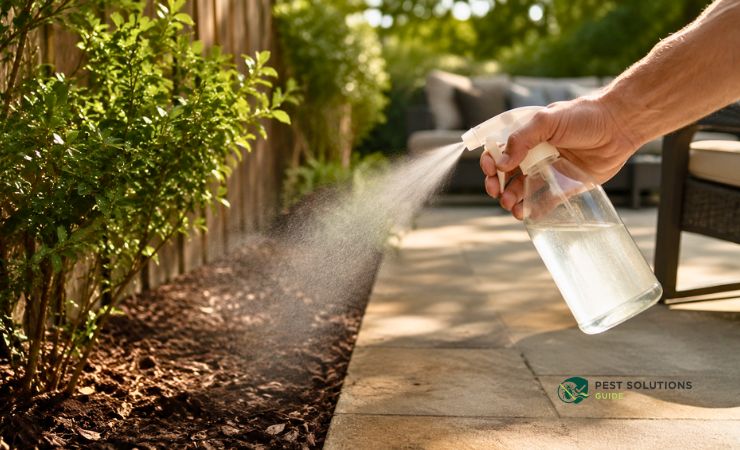
5. Reapply Regularly: Plan to reapply every 3 to 4 hours while you are outside, and always after it rains. Set a phone reminder for days when you’ll be outside for a while. Consistent reapplication is key to how well this works over time.
What Actually Kills Mosquitoes in Your Yard
Mosquito Dunks and Larvicides: Products with Bacillus Thuringiensis Israelensis (BTI) kill mosquito larvae in standing water before they hatch. These products are safe for birds, pets, and fish. Just drop one in a bird bath, pond, or any water feature, and it will work for up to 30 days.

Garlic Spray: Crushing garlic and mixing it with water creates a spray that kills mosquitoes on contact and repels others. This spray has a strong smell for about an hour, but it fades quickly for people while remaining effective against insects.

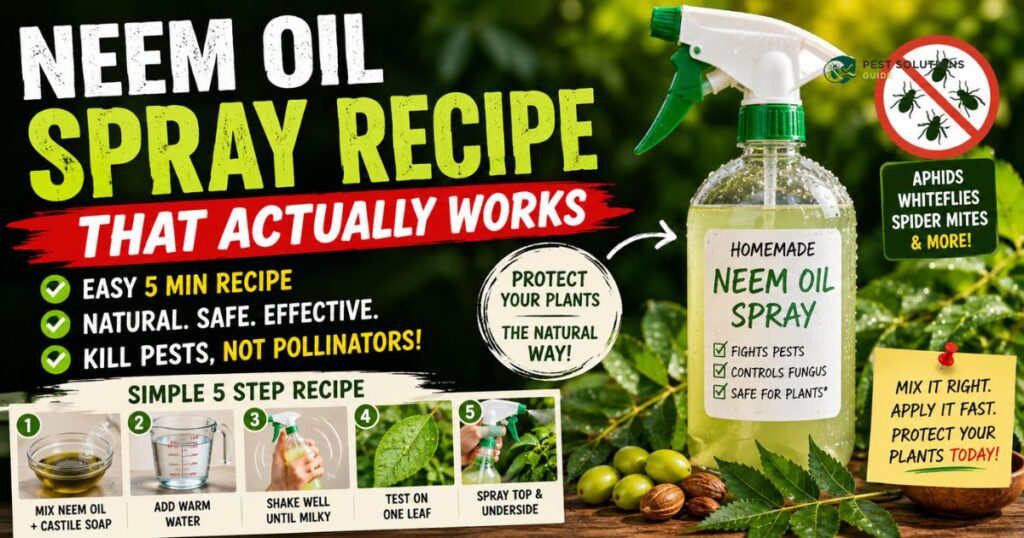
Neem Oil Spray: Neem oil affects the mosquito life cycle by targeting larvae and deterring adult mosquitoes. When sprayed on plants, it lasts longer than many other natural options, especially in dry weather.

Pyrethrin-Based Sprays (Natural Version): Pyrethrin, derived from chrysanthemum flowers, kills mosquitoes on contact. It breaks down quickly in sunlight, making it safer than synthetic options, but you will need to apply it more often.

Eliminating Standing Water: Removing standing water is the most effective way to control mosquitoes. Change the water in bird baths every 3 days, clean gutters once a month, and fix low areas in your yard where water collects after it rains.
Frequently Asked Questions About Natural Mosquito Repellents
1. Can I spray a natural mosquito repellent directly on my lawn?
Yes, you can spray diluted essential oil repellents on your grass. Just don’t use too much oil, like eucalyptus, since it can harm some grass types if used heavily. It’s better to spray along the edges and shaded areas of your lawn instead of covering the entire yard. Spraying every few days works better than applying a lot all at once.
2. How long does a homemade yard mosquito repellent last?
An essential oil-based spray usually lasts 2 to 4 hours outdoors before you need to reapply. Heat, wind, and humidity can shorten this time, especially on hot days. After it rains, you should reapply right away since water washes the solution off surfaces. Store your spray bottle in a cool, shaded place to keep the oils effective.
Freshly made sprays tend to work better than those stored for more than a week or two.
3. Are natural mosquito repellents safe for dogs and cats?
Many yard repellents contain essential oils like eucalyptus, peppermint, and citronella, which can harm pets if ingested or come into contact with in large amounts. It’s important to dilute these sprays. A well-diluted spray that dries on grass and surfaces before your pet walks on it is safer than spraying it directly on your pet.
I wait at least 30 minutes before letting my dog outside after spraying. If you have a small dog, a cat, or a pet with sensitivities, check with your vet. If you’re unsure, use Bti dunks in water features, as these are safe for pets.
4. What plants naturally repel mosquitoes in the yard?
Some plants can help keep mosquitoes away. Good choices are citronella grass, lemon balm, lavender, basil, catnip, and rosemary. In my yard, I planted lavender along the fence and placed pots of basil near the patio.
This helped reduce mosquito activity in those areas. While these plants aren’t a complete solution, they offer ongoing protection without mixing or spraying. Plus, they look and smell nice.
5. Does vinegar kill mosquitoes or just repel them?
White vinegar does not kill adult mosquitoes; it only keeps them away. The acetic acid in vinegar creates a scent that mosquitoes dislike, making it useful for homemade sprays. Apple cider vinegar can kill mosquito larvae in standing water, but it works less effectively than Bti dunks.
If you want to get rid of mosquitoes rather than just repel them, add a larvicide or a natural pesticide like pyrethrin or garlic spray to your vinegar repellent.
6. When should I call a professional instead of using DIY repellents?
If you spend time outside every day and still get bitten a lot, even with regular spraying and standing water removal, it might be time to call a professional. They can find breeding spots you may have missed, such as a neighbour’s yard or hidden water areas. I recommend trying DIY methods for 2 to 3 weeks with consistent effort before getting help.
But if someone in your home has health issues or you see many mosquitoes indoors, don’t wait; contact a professional right away.
7. Can I use the same repellent spray on myself and my yard?
This guide is about using yard spray on surfaces, grass, and outdoor furniture. Do not use it on your skin. Skin repellents need lower oil levels and different ingredients to avoid irritation. Applying yard-strength spray to your skin can cause redness, stinging, or allergic reactions, especially if it contains eucalyptus or peppermint oils.
For personal use, find a recipe meant for skin or a product with a safe level of lemon eucalyptus oil. Keep your yard spray and personal repellent separate.
DIY Natural Mosquito Repellent For Yard
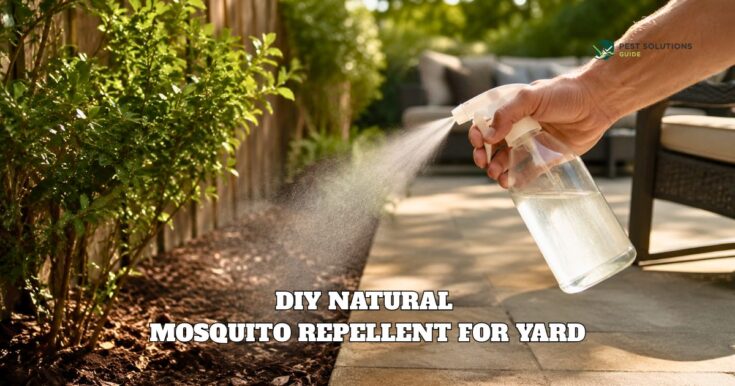
Make this DIY Natural Mosquito Repellent for Yard using essential oils and vinegar. Safe for kids and pets. Works in minutes!
Ingredients
- 30 drops citronella essential oil
- 20 drops lemon eucalyptus essential oil
- 15 drops peppermint essential oil
- 1 cup white vinegar
- 1 cup water
- 1 teaspoon dish soap
Instructions
- Before you start, lay out your ingredients on a flat surface. Measure the vinegar and water first, then pour both into your spray bottle. This makes it easier to add the oils without spilling.
- Carefully add drops of citronella, lemon eucalyptus, and peppermint oils to the bottle. Count each drop. If you add too few, the spray won’t work well; if you add too many, it can harm plants and pets. Remember to use true essential oils, not fragrance oils, as the latter don’t repel insects.
- Add the dish soap last. Cap the bottle and shake it for about 30 seconds. The soap helps mix the oil and water so they stay blended. Shake again before each use since the oils will rise to the top over time.
- Spray around the edges of your patio or seating area, along fence lines, under patio furniture, and near bushes where mosquitoes like to rest. Focus on shaded areas and damp spots. Avoid spraying directly onto flowering plants, as the oils can repel pollinators.
- Plan to reapply every 3 to 4 hours while you are outside, and always after it rains. Set a phone reminder for days when you’ll be outside for a while. Consistent reapplication is key to how well this works over time.
A DIY Natural Mosquito Repellent For Yard is worth trying before using harsh chemicals. Regularly spraying and reapplying the repellent, along with eliminating standing water, usually solves the problem. If mosquitoes keep bothering you after a few weeks, consider getting professional help.
Pingback: DIY Beautyberry Mosquito Repellent: Stop Buying Bug Spray - Pest Solutions Guide