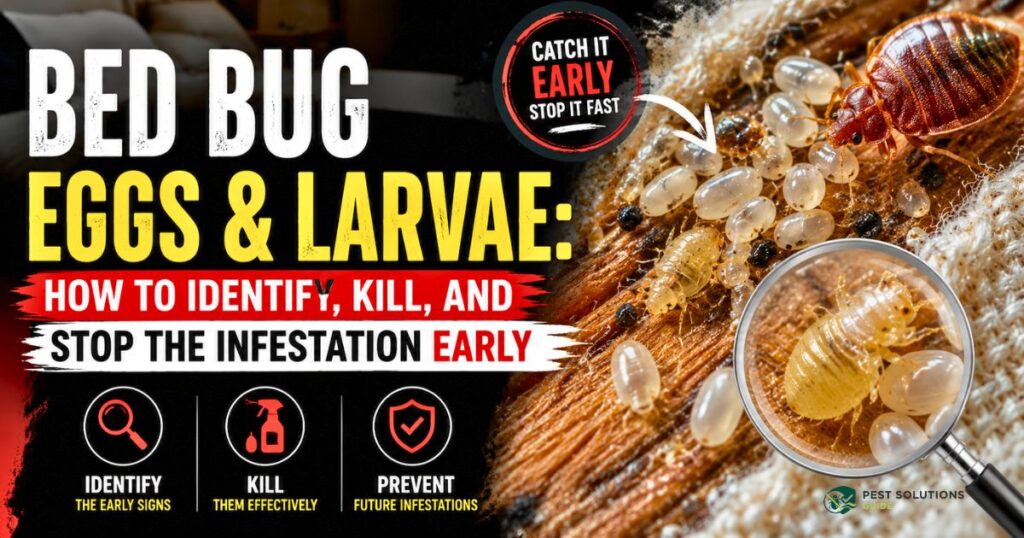
I have personal experience with the frustrating problem of bed bugs, especially Bed Bug Eggs and Larvae. Their bites can cause intense itching that lasts for days, making even simple tasks hard to manage. Every time I felt the urge to scratch, I knew I risked skin infections and restless nights.
Those tiny eggs can cause real problems. They lead to itchy bites, poor sleep, skin reactions, and high stress. Over time, one ignored egg cluster can turn into hundreds of bugs. That’s not something to brush off.
You need to pay attention right at the start. Early action is what stops a small problem from becoming a big one. In this guide, I’m going to show you what these eggs look like, where they hide, and the most effective ways to get rid of them before they hatch and take over your space.
- Understanding Bed Bug Eggs and Early Life Stages
- How to Identify Bed Bug Eggs
- Bed Bug Life Cycle: From Egg to Adult
- Common Places Bed Bugs Lay Eggs in Your Home
- DIY vs Professional Treatment: What Actually Works
- Ingredients for DIY Bed Bug Eggs and Larvae Removal Spray
- Tools That Help Me Find and Remove Eggs
- The Most Effective Way to Get Rid of Bed Bug Eggs
- How I Prevent Bed Bugs From Laying Eggs
- Common Questions About Bed Bug Eggs
Understanding Bed Bug Eggs and Early Life Stages
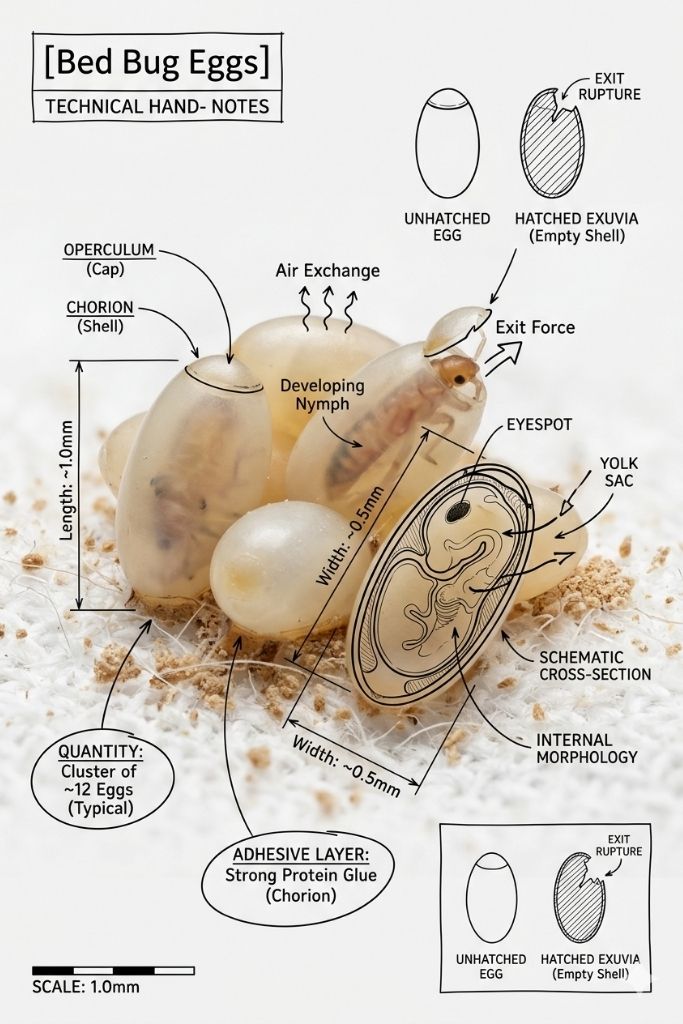
Bed bug eggs are the first stage in the life of a bed bug. A female bed bug lays tiny, white eggs in hidden places, often in dark areas. These eggs are about the size of a pinhead.
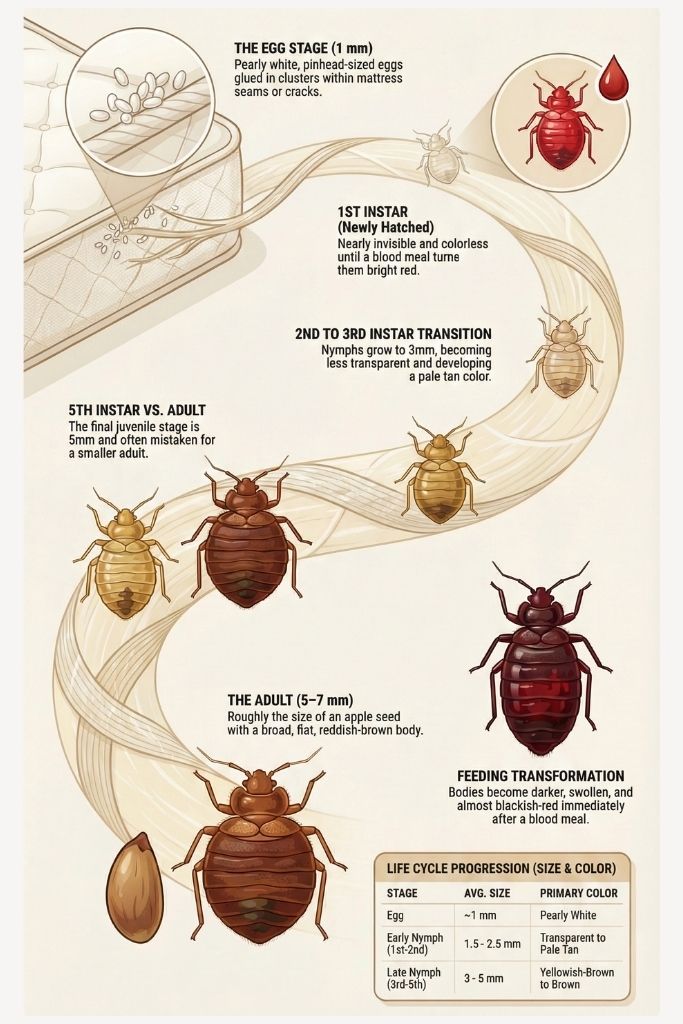
After 6 to 10 days, the eggs hatch into larvae, or nymphs, which look like smaller, lighter-colored adult bed bugs.
Many bed bug treatments fail because they do not destroy the eggs. The eggshell protects the contents, allowing the eggs to hatch later, which is why you may still see bugs a few weeks after treating your home.
Here are some key facts about bed bug eggs: they are sticky, they hide in groups, and you need heat or special sprays to kill them. If you only kill the adult bugs, the eggs will hatch and create new bugs. You must also target the eggs.
How to Identify Bed Bug Eggs
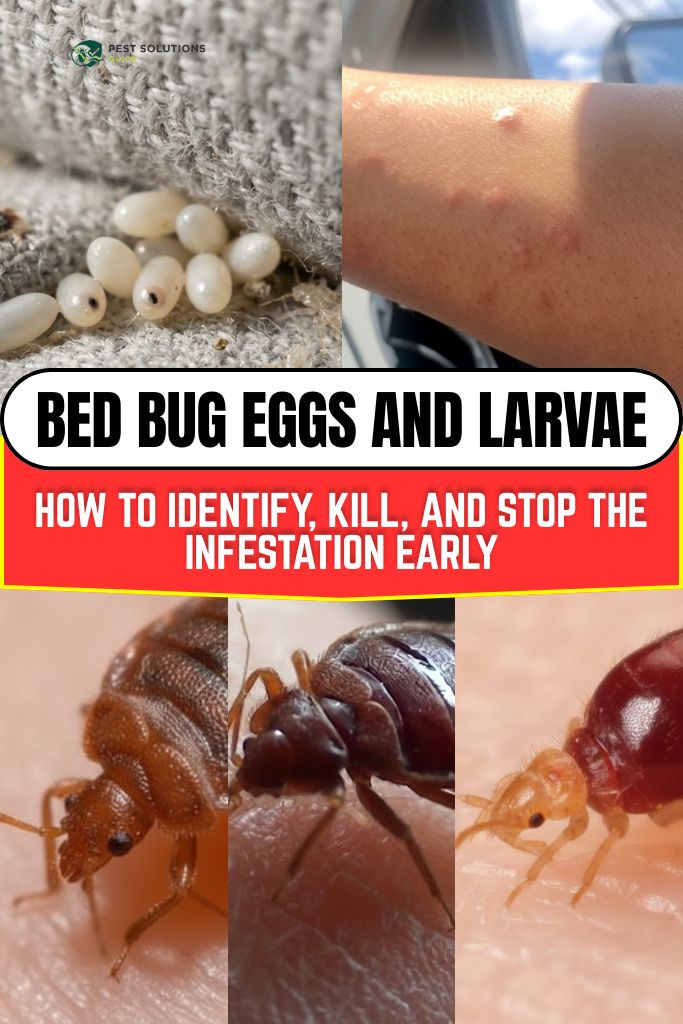
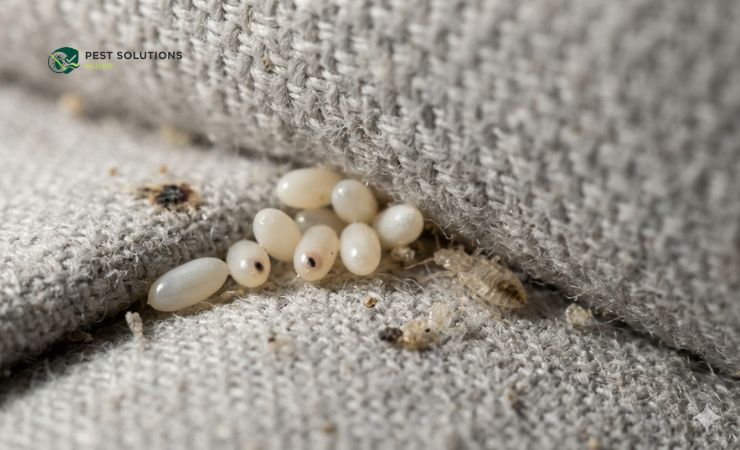
Bed bug eggs are small and oval-shaped, about the size of a sesame seed. Fresh eggs look milky white. After about 5 days, you may see a dark spot inside the egg, which means it is alive and almost ready to hatch.
Bed bug eggs feel sticky because the female bed bug uses a glue-like substance to attach them to surfaces. They have soft, flexible shells and may glow faintly under UV light.
Old or hatched eggs look flat, crushed, or slightly yellow, and sometimes show a small slit where the nymph emerged.
To tell bed bug eggs apart: flea eggs are smaller, round, and easily fall off surfaces; lice eggs (nits) stick to hair strands. In contrast, bed bug eggs are larger, flat on the bottom, and always stuck to surfaces.
Bed Bug Life Cycle: From Egg to Adult
Bed bugs do not have a larval stage, which surprises many people. They go through a process called incomplete metamorphosis: egg, nymph, and adult. There is no caterpillar-like stage.
When an egg hatches, a nymph appears. There are five nymphal stages, or instars. At each stage, the nymph must feed on blood before progressing to the next. First-stage nymphs are almost clear or pale yellow and about the size of a pinhead. By the fifth stage, they look more like adults, with a reddish-brown color.
The process from egg to adult takes about five to eight weeks in normal conditions, around 70°F, with regular access to blood. Warmer temperatures speed up this process.
A single female bed bug can lay 1 to 5 eggs each day, and up to 500 eggs in her lifetime, which is why taking action early is so important. Just one pregnant female can start an entire infestation by herself.
Common Places Bed Bugs Lay Eggs in Your Home
Bed bugs lay eggs in tight, dark spots near where people sleep, including mattress seams, box springs, bed frames, headboards, and cracks in furniture. As bed bugs multiply, they can spread to walls, carpets, baseboards, and clothes.
They can also hide on hard surfaces, such as wood and metal. You might bring them home in hotel luggage or used items.
Look for small, shiny, pearl-like dots in clusters; these are the eggs. Live eggs are full and shiny, while hatched shells are empty and flat. Finding eggs means there are likely bugs nearby, so also check for adult bugs. They do not have a smell.
DIY vs Professional Treatment: What Actually Works
There are several ways to remove bed bug eggs. If you need a quick solution, you can buy ready-to-use pesticides. These are usually easier to apply and more effective.
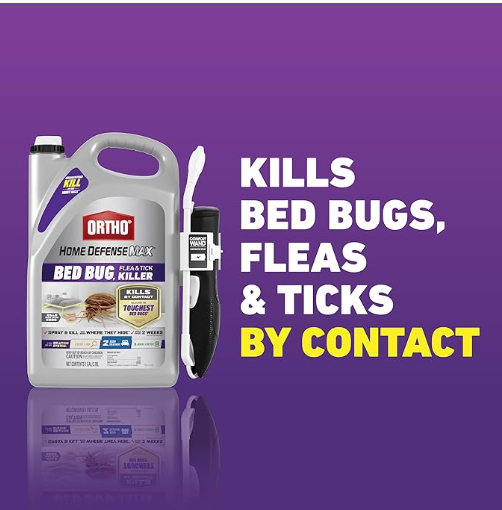
Ready-to-use indoor spray that kills bed bugs, fleas, ticks, and eggs with an easy Comfort Wand for quick application.
Some people hire a licensed exterminator. They will schedule follow-up visits to catch any newly hatched bugs before they can reproduce. Each visit can cost money, or you might need to sign a long-term contract.
If you have time and want to save money, do-it-yourself methods can work well too. You may still find some eggs after the first treatment so you will need multiple treatments. Most infestations require 2 to 3 rounds of treatment, spaced about 2 weeks apart, to catch newly hatched bugs before they grow.
Ingredients for DIY Bed Bug Eggs and Larvae Removal Spray
Rubbing alcohol (1 cup): Use 91% isopropyl rubbing alcohol in a spray bottle. Spraying it directly on cracks, seams, and visible egg clusters will dry out the eggs, but it must touch them directly to work.
Be careful with alcohol because it is flammable. Keep it away from open flames and let surfaces dry completely before using heat nearby. You can also use white vinegar at full strength as a spray on hard surfaces.
Water and Dish Soap Mixture: This helps to dilute the alcohol so it doesn’t evaporate too quickly. Add 10 drops of clear dish soap, like Dawn, to help the mixture stick to the eggs and break their outer coating.
Lavender Essential Oil (Optional): Add 10-15 drops to the spray bottle. It won’t kill the eggs, but it will help stop hatching nymphs and slow them down.
Tools That Help Me Find and Remove Eggs
- Vacuum cleaner with strong suction for effective cleaning
- A steam cleaner that heats up quickly
- Easy-to-use spray bottle
- Mattress cover with a zip seal
- Flashlight to check small spaces
The Most Effective Way to Get Rid of Bed Bug Eggs
Strip and Bag All Bedding: Remove all sheets, pillowcases, blankets, and mattress covers. Place them in sealed plastic bags right away. Don’t shake them out in the room, as this can spread the eggs. Take the sealed bags directly to your washing machine.
Wash and Dry on Maximum Heat: Wash everything in hot water (at least 120°F). After washing, dry on the highest heat setting for at least 90 minutes. This heat kills any eggs that might survive washing.
Vacuum Thoroughly: Vacuum every part of the mattress, box spring, bed frame, headboard, baseboards, carpet edges, and upholstered furniture. Focus on seams, tufts, and folds. After vacuuming, seal the vacuum bag and discard it outside.
Apply Steam to Hard-to-Reach Areas: Use a handheld steam cleaner, moving slowly at about 1 inch per second, along mattress seams, bed frame joints, baseboards, and furniture cracks.
Make sure the steam reaches at least 160°F at the surface. Hold the nozzle close and move steadily is where the eggs die.
Dust With Diatomaceous Earth: Apply a thin layer of food-grade diatomaceous earth along baseboards, inside furniture joints, and under bed legs. Don’t layer it too thick; a barely visible layer works better because bed bugs are more likely to walk through it.
Spray Accessible Surfaces With Alcohol: Spray 91% isopropyl alcohol on hard surfaces like the bed frame, headboard, and nightstand. Let it dry completely. For fabric surfaces you can’t steam, use lavender or tea tree oil spray. Don’t soak the fabric; a light mist is enough.
Encase Your Mattress and Box Spring: After the mattress is dry, place it in a zippered bed bug-proof cover that traps any eggs and prevents new bugs from hiding in the mattress. Leave the cover on for at least one year.
Check Again in 2 Weeks: Bed bug eggs hatch in 6 to 10 days. Two weeks after your first treatment, repeat the entire process: vacuum, steam, dust, and spray. This second treatment will catch the baby bed bugs that hatched after the first treatment.
If the infestation is serious, a third treatment two weeks later is recommended.
How I Prevent Bed Bugs From Laying Eggs
Bed bug eggs need warmth and humidity to hatch within 6-10 days. They thrive in temperatures of 70-90°F. If it gets too dry or too cold, they won’t develop. Male bed bugs must fertilize the eggs to hatch into nymphs.
To weaken them, I keep my home’s humidity below 60%. If the temperature drops below 55°F, the eggs won’t develop. However, the eggs can stay alive for months without hatching.
Using mattress encasements traps bed bugs and their eggs, preventing them from feeding and hatching. Placing bed bug interceptors under the bed legs helps catch any new crawlers that emerge from eggs.

100% waterproof queen mattress encasement with zippered closure. Protects against bed bugs, dust mites, and spills for a cleaner, safer sleep.
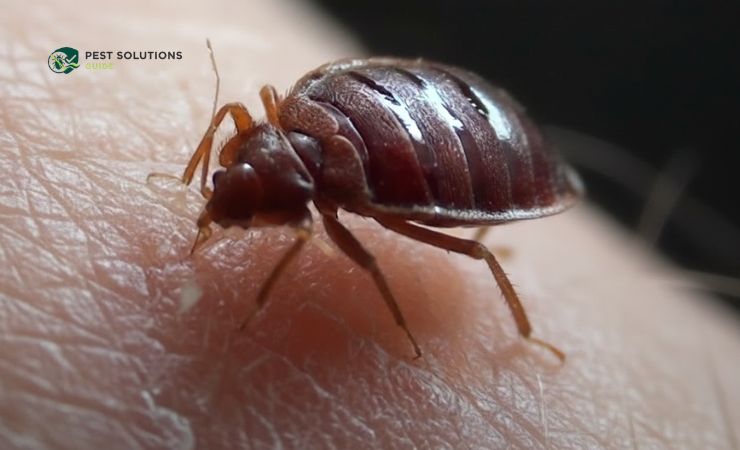
While the eggs themselves don’t pose health risks, bites from adults can trigger allergies and cause stress. Bed bugs lay their eggs nearby, not on the skin. After traveling, I use these tools to stay safe.
Common Questions About Bed Bug Eggs
Can you see bed bug eggs with the naked eye?
Yes, but they’re hard to spot. They are about 1mm in size. You can find them without a magnifying glass if you know what to look for. They are easier to see in clusters on dark surfaces.
What do bed bug eggs look like on a mattress?
On a mattress, they look like tiny white or pearl-colored oval dots. You usually find them in seams, folds, or tufted areas. They often appear near rust-colored stains or shed skins, which are signs of bed bug activity.
What kills bed bug eggs completely?
No single method guarantees complete elimination, but heat above 120°F comes close. Professional whole-room heat treatment, along with IGR pesticides and follow-up inspections, is the most thorough method available.
Does finding one bed bug mean there are eggs?
Not necessarily, but it’s likely. A single female bed bug can lay eggs days after mating. Finding even one bed bug means you should check your entire sleeping area for eggs and nymphs.
The Most Effective Way to Get Rid of Bed Bug Eggs
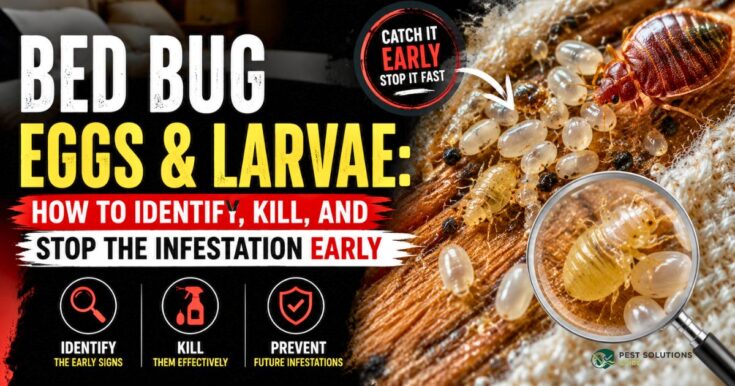
A step-by-step guide to finding, treating, and eliminating bed bug eggs and larvae from your home using heat, steam, diatomaceous earth, and follow-up inspections.
Materials
- Rubbing alcohol (1 cup)
- Water and Dish Soap Mixture
- Lavender Essential Oil (Optional)
Tools
- Vacuum cleaner with strong suction for effective cleaning
- A steam cleaner that heats up quickly
- Easy-to-use spray bottle
- Mattress cover with a zip seal
- Flashlight to check small spaces
Instructions
- Remove all sheets, pillowcases, and covers. Put them in plastic bags before taking them to the washer.
- Wash and dry everything on the highest heat. Use hot water and a 90-minute high-heat drying cycle to kill all eggs.
- Vacuum every surface. Use a HEPA vacuum with a crevice tool to clean the mattress, bed frame, baseboards, and furniture seams. Seal the vacuum bag and throw it outside right away.
- Steam hard-to-reach areas. Use a handheld steamer along seams, joints, and cracks at 160°F or higher.
- Dust with diatomaceous earth. Spread a thin layer along baseboards, under bed legs, and inside furniture joints.
- Use 91% isopropyl alcohol on bed frames and nightstands. Use lavender or tea tree spray on fabric surfaces.
- Put a bed bug-proof cover on the mattress and box spring. Keep it on for one full year.
- Repeat the process after two weeks to catch new nymphs before they grow. A third treatment, two weeks later, works well for heavy infestations.
Notes
- Always seal vacuum bags outside immediately after use; eggs can escape
- Do not wet diatomaceous earth; moisture makes it useless.
- Keep alcohol away from open flames. Let surfaces dry fully before applying heat.
- For severe infestations, combine DIY methods with a licensed professional heat treatment.
- Bed bug interceptors under each bed leg help monitor for new activity between treatment rounds.
Dealing with bed bug eggs and larvae requires patience and multiple rounds of treatment. From my experience, DIY methods work best for mild, early-stage problems, especially heat-based approaches.
But for anything beyond a small cluster, professional treatment wins in both speed and thoroughness. Start early, stay consistent, and don’t skip the follow-up round two weeks later.