
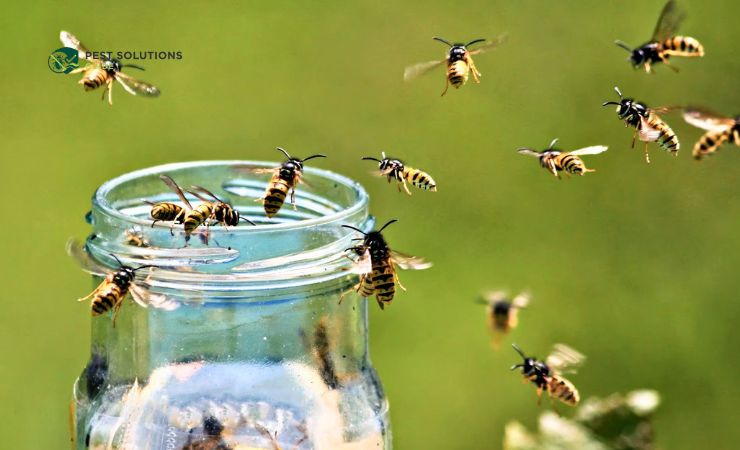
Last summer, I was grilling burgers at a backyard BBQ when a swarm of yellow jackets arrived and ruined the fun. People didn’t want to eat, and the kids were screaming. My bug spray didn’t work at all. That’s when I decided to look for a yellow jacket repellent that actually works seriously.
Yellow jackets show up as soon as summer starts. When we moved here, I couldn’t find a trustworthy resource. Most of what I found online was vague, dangerous, or just trying to sell something. I spent years trying different methods, reading studies, and talking to pest control experts.
I experimented with natural oils, store-bought sprays, decoy nests, traps, and more. In this guide, I’ll share 12 of the best ways to keep yellow jackets away, including natural, chemical, and DIY options.
- Why Yellow Jackets Are So Much Harder to Deal With Than Regular Wasps
- What Draws Yellow Jackets to Your Yard in the First Place
- Natural Yellow Jacket Repellents That Are Actually Backed by Science
- Best Commercial Yellow Jacket Repellent Products Worth Buying
- Physical Barriers and Decoy Nest Methods Most People Overlook
- How to Repel Yellow Jackets in Specific Situations
- Yellow Jacket Mistakes That Make the Problem Worse
- When DIY Is Not Enough – Time to Call a Professional
- What to Do Immediately After a Yellow Jacket Sting
- Yellow Jacket Repellent Questions People Ask Most
Why Yellow Jackets Are So Much Harder to Deal With Than Regular Wasps
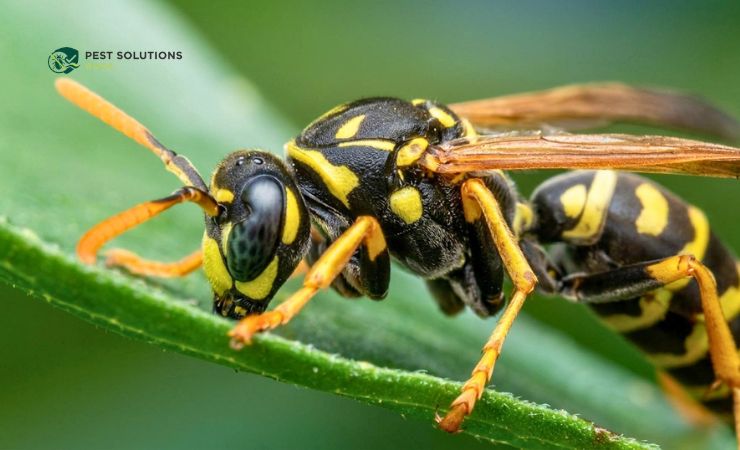
Many people think yellow jackets are just big bees, but they are much more aggressive. Unlike honeybees, yellow jackets can sting multiple times and release signals that attract others to join the attack.
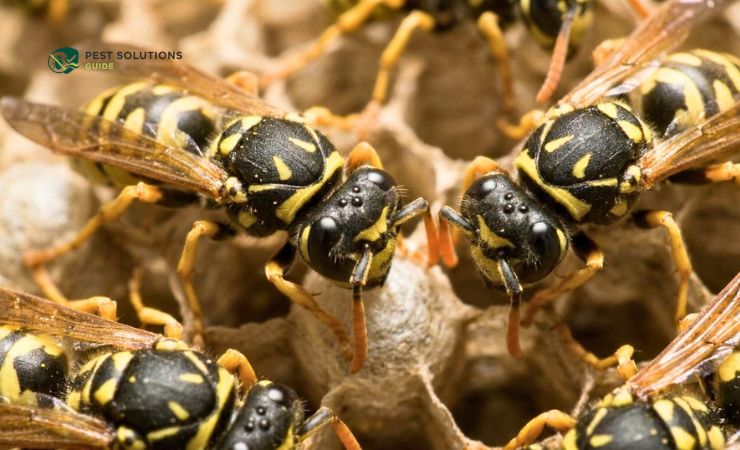
Their colonies can grow to 5,000 workers by late summer, making late August and September the peak time for encounters. To manage them effectively, it’s important to understand their life cycle. A new queen starts a small nest in early spring, which is the best time to control their population.
As the colony grows and food becomes scarce, yellow jackets become more aggressive. The best approach is to start repelling them early, rather than waiting for a swarm to appear.
What Draws Yellow Jackets to Your Yard in the First Place
To effectively handle yellow jackets, first, remove anything that attracts them before using repellents. Sugary foods and drinks, like open soda cans and fruits, attract yellow jackets the most. Always cover drinks at outdoor events to avoid stings.
In late summer, yellow jackets also look for protein, so they target meat, pet food, and bird feeders. Bright clothing and floral scents can draw them in, too, so wear neutral colors and use unscented products during picnics.
Lastly, keep trash and compost bins tightly closed and dispose of garbage regularly. The key is to clean up first, then use repellents.
Natural Yellow Jacket Repellents That Are Actually Backed by Science
I prefer natural options for safety around kids and pets, based on scientific studies.
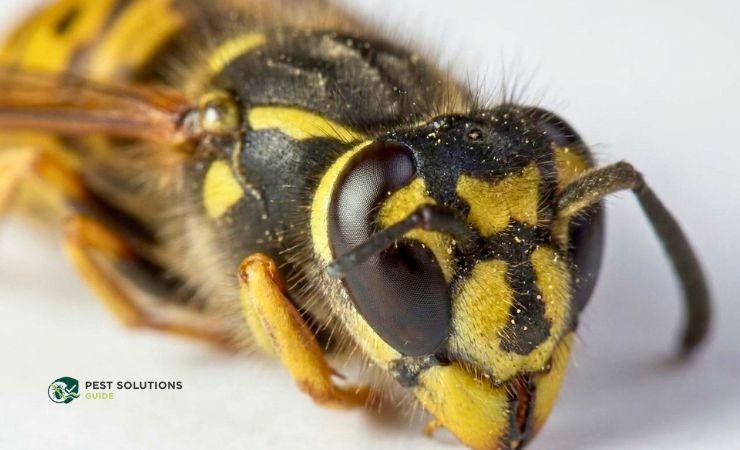
Which Essential Oils Repel Yellow Jackets Best: Some essential oils can deter yellow jackets. A mix of clove, geranium, and lemongrass oil works well, with clove oil alone reducing visits by 95%. Compounds in clove oil interfere with their senses, whereas peppermint oil is less effective.
DIY Yellow Jacket Repellent Recipes With Exact Measurements
Clove, Geranium, and Lemongrass Spray: Mix 10 drops each of clove, geranium, and lemongrass oil with 1 cup of water and 1 teaspoon of dish soap. Spray every 2-3 days or after rain.
Peppermint Dish Soap Spray: Combine 15 drops of peppermint oil with 1 cup of water and ½ teaspoon of dish soap. Spray an hour before going outside.
Vinegar Deterrent Bowl: Mix 1 cup of apple cider vinegar with 1 teaspoon of dish soap in a bowl to trap yellow jackets.
Repelling Plants: For a long-term solution, grow spearmint, peppermint, marigolds, basil, thyme, lavender, and wormwood near places like grills and seating to create a natural barrier.
Best Commercial Yellow Jacket Repellent Products Worth Buying
If natural methods don’t work, it’s important to use effective commercial products, especially near active nests. Here are my top five recommendations based on specific needs and situations:
Raid Wasp and Hornet Killer 33 (Best Overall): This spray is effective for active nests. It can reach 22 feet and kills yellow jackets on contact. Use it at dawn or dusk. Soak the nest completely, and keep pets and children away until it dries.

Black Flag Wasp, Hornet, and Yellow Jacket Killer (Best Long-Range Spray): This spray can reach 29 feet, making it good for high nests. Apply it at sunset and soak the nest. Wait 24 hours before removing the nest. Note: It is not safe for pets.

Zevo Wasp and Yellow Jacket Spray (Best for Families, Pet Safe): This plant-based spray reaches 15 feet and is safe for family areas when dry. Use it when yellow jackets are resting, and it works well on smaller nests.

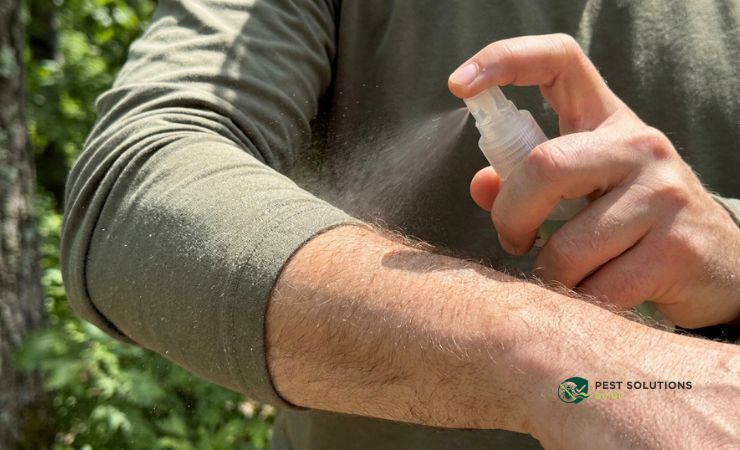
Mighty Mint Peppermint Oil Spray (Best Natural Deterrent, Pet Safe): This peppermint oil disrupts yellow jackets’ sense of smell and prevents them from gathering around patios. Reapply every few days.

Spectracide Carpenter Bee and Ground-Nesting Yellow Jacket Killer Foam (Best for Ground Nests): This foam expands underground and targets nests effectively. Apply it early in the morning or late in the evening. Wait 24 hours before allowing kids and pets near the area. Note: It is not safe for pets.

Physical Barriers and Decoy Nest Methods Most People Overlook
These methods are often overlooked but work well with little ongoing effort. One of my favorites is the fake wasp nest decoy, which exploits yellow jacket behavior. Yellow jackets avoid nesting near other colonies to reduce competition for resources.
Hang a decoy, like a crumpled brown paper bag, near patios and porches to keep incoming scouts away. It’s best to set this up in early spring before new nests are made.
Another good solution is to use fine-mesh netting around outdoor dining areas or porches, creating a barrier that yellow jackets can’t get through. Also, sealing entry points around your home, like gaps and cracks, stops yellow jackets from nesting inside walls or attics.
Inspect your home each spring and seal any openings to avoid a bigger infestation later in the summer.
How to Repel Yellow Jackets in Specific Situations
Dealing with yellow jackets requires different strategies based on the situation.
At a BBQ or picnic: Focus on preventing yellow jackets. Cover all food and drinks. Set up a vinegar lure trap 20 to 30 feet away from the entrance before guests arrive. Spray the edges with peppermint oil. Wear neutral colors and keep a Zevo can handy for any yellow jackets that come close.
In the garden: Think about long-term control. Plant mint, basil, and marigolds around the garden edges. Set a RESCUE trap away from where you work and coat your garden tools with clove oil. Water in the morning to keep the soil dry during hot times.
Near a pool: Yellow jackets are attracted to standing water. Place a shallow dish of water with peppermint oil 20 to 30 feet from the pool. Use citronella candles around the deck. Avoid taking sugary drinks to the pool area.
With children and pets: Use all-natural methods. Spray with Zevo after drying, use Mighty Mint for regular upkeep, set up decoy nests to keep them away, and use mesh netting in eating areas. Avoid DEET and chemical sprays near kids and pets. If needed, treat nests at night.
In a Car: Stay calm if yellow jackets get inside. Pull over safely, roll down the windows, and let them fly out. After that, spray the inside with peppermint and check for open food containers.
Yellow Jacket Mistakes That Make the Problem Worse
Over the years, I’ve learned about common mistakes people make with yellow jackets. The biggest mistake is swatting at them; it can release alarm chemicals that trigger the nest to attack. Instead, stay calm, move slowly, and don’t swat.
Don’t spray a yellow jacket nest during the day because they are more active in the light. Treat the nest at dusk or dawn when most yellow jackets are home. Do not seal the nest’s entrance before treating it. If you trap yellow jackets inside, they might chew through your walls to escape and come into your home.
Always treat the nest first, and wait at least 48 hours before sealing it.
Wearing floral prints or using sweet-smelling sunscreen can attract yellow jackets. Instead, wear neutral colors and choose unscented products when you are outside. Lastly, don’t rely only on repellents if there is an active nest nearby. If the nest is within 20 to 30 feet, deal with it first, then use repellents to keep the area clear.
When DIY Is Not Enough – Time to Call a Professional
It’s important to know when to get help with pest control. You should call a professional in these situations: if a nest is inside a wall, ceiling, or attic; if the nest is larger than a basketball; if someone in your home is allergic to bees; or if the nest is in hard-to-reach places, such as chimneys or crawl spaces.
In the U.S., hiring a professional to remove yellow jackets typically costs more than $100, depending on the nest’s size and location. This cost is worth it for your family’s safety. To find a reliable exterminator, visit the National Pest Management Association website or ask your neighbors for recommendations.
What to Do Immediately After a Yellow Jacket Sting
Even with the best ways to keep yellow jackets away, stings can still happen. If you get stung, calmly leave the area to avoid further stings. Wash the sting site with soap and water, then use a cold pack to reduce swelling and pain. If you have an antihistamine like Benadryl, take it to help with inflammation.
Watch for signs of a serious allergic reaction. These include trouble breathing, swelling, a fast heartbeat, dizziness, or hives. If you notice any of these signs, call 911 right away. Use an EpiPen if you have one, but remember it’s not a substitute for emergency care.
Sensitivity to yellow jacket venom can increase with more stings, so act quickly.
If you are allergic to bee or wasp stings, carry your prescribed EpiPen whenever you are outside during yellow jacket season. Also, let those around you know how to use it in case you get stung.
Yellow Jacket Repellent Questions People Ask Most
1. What smell do yellow jackets hate the most?
Yellow jackets dislike the smell of clove oil, which can reduce their activity by up to 95%. A mix of clove, geranium, and lemongrass oil is even more effective.
2. Does vinegar repel yellow jackets?
No, but a mix of apple cider vinegar and dish soap works well as a lure trap.
3. Does peppermint oil really work on yellow jackets?
Yes, especially when mixed with clove and lemongrass oil.
4. How do I keep yellow jackets away from my patio?
Start early in spring by putting out decoy nests, covering food, maintaining a lure trap, and quickly dealing with active nests.
5. What is the best yellow jacket repellent?
For active nests, use Raid Wasp and Hornet Killer 33. For family-safe options, Zevo is effective.
6. Are yellow jackets attracted to light?
Not directly. Outdoor lights attract their prey, which can bring yellow jackets nearby. Yellow-tinted bug lights may help reduce this.
You can manage yellow jackets with a layered approach. Start in spring with decoy nests and seal entry points. Remove food attractants, use the right repellent, and deal with nests safely. Always be ready for stings and use a combination of strategies for the best results.